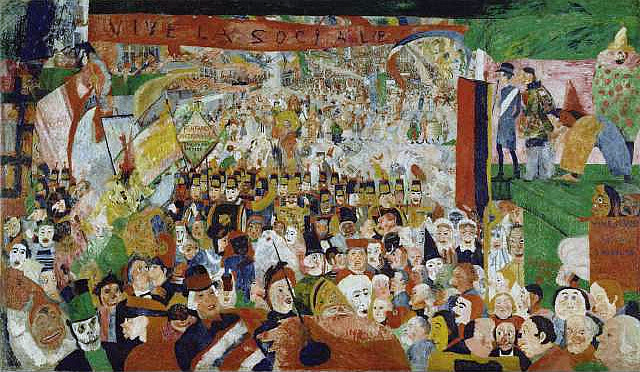
The vivid imagery present throughout The Day of the Locust by Nathaniel West makes for the text to be easily related to multiple grotesque illustrations and visual depictions.
This can be observed through pieces of art created in reality that relate to the novel, as well as a painting by one of the characters in the novel himself. Pictured above, “The Burning of Los Angeles” by Tod Hackett in The Day of the Locust illustrates the chaotic world that he finds himself in. In chapter 27, it’s stated how Tod uses the painting to cope with disruptions in his life: “After his quarrel with Faye, he had worked on it continually to escape tormenting himself, and the way to it in his mind had become almost automatic” (184). Clearly, the painting not only is a symbol of Tod’s pessimistic view on the twisted world of Hollywood, but also stems from the endless physical depictions of this theme in Tod’s everyday life. It seems that Tod regularly witnesses scenes, whether in films or in his reality, that appear theatrical because of their drama.
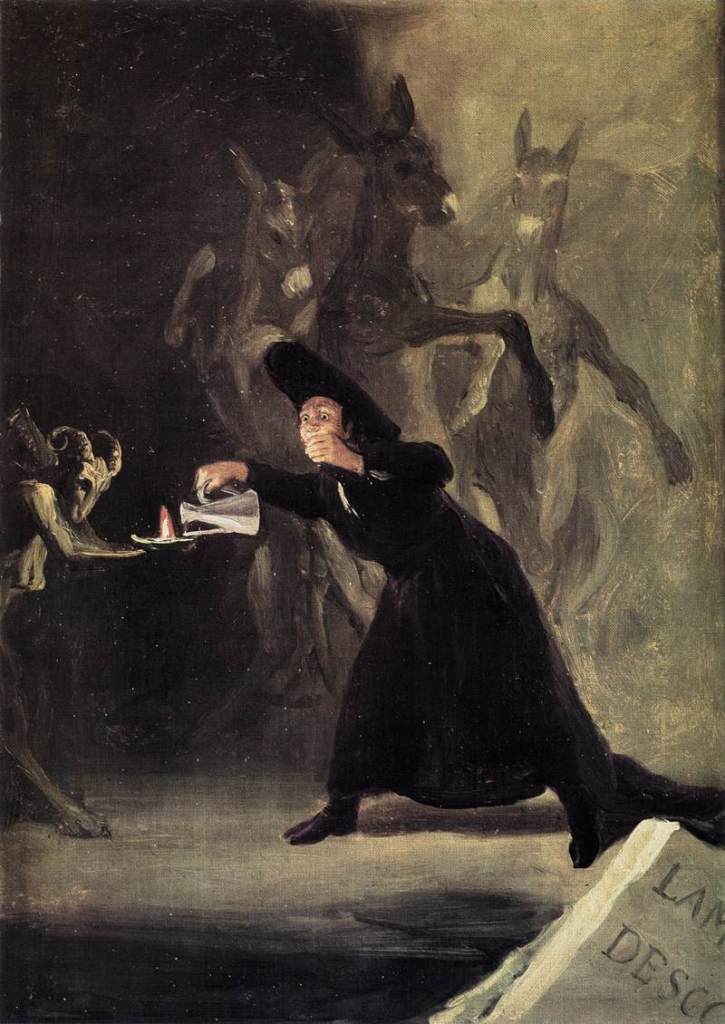
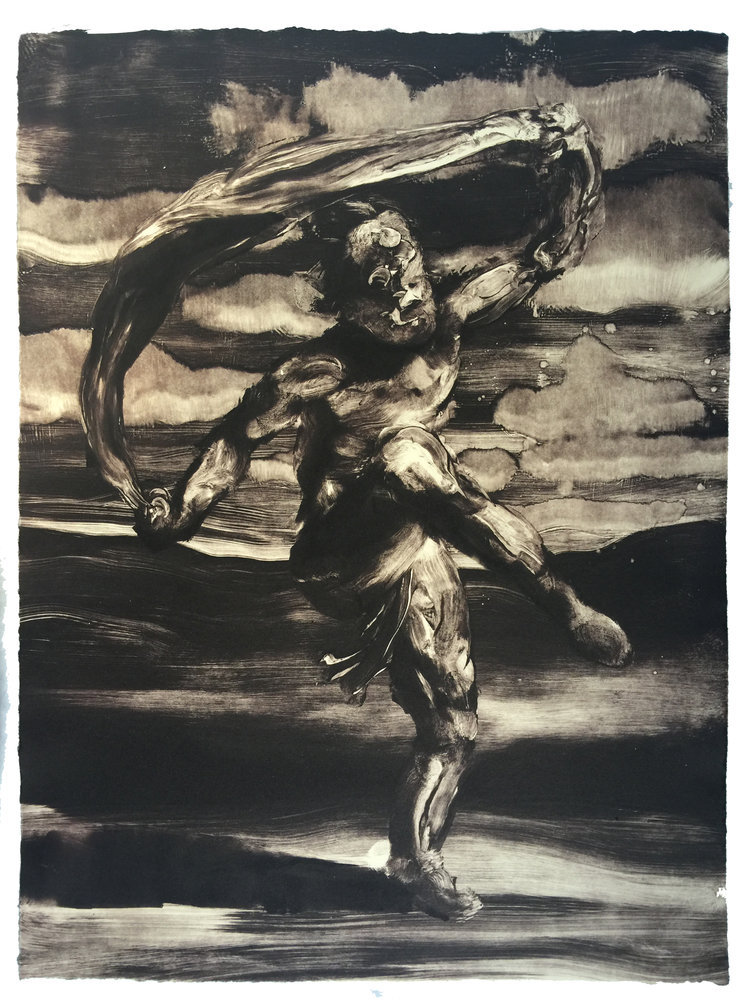
Additionally, many pieces of art in reality could perfectly fit the tone of the novel because of its grotesque nature. Many paintings from the Renaissance to modern day art depict the disarray in The Day of the Locust. This novel presents the reader with a continuous flow of bold imagery of life in Hollywood, which is open for visual interpretation in many variations of the theme of chaos and dark disharmony.
 Great American Novels 2020
I love this post. I’ve always loved the way visual art and literature intersect.
LikeLike